Don t Spill Beer on Me SVG: Embroidery Project Review
When I sat down to prep my machine for a St. Patrick’s Day order, I needed something quick, funny, and highly marketable. The Don t Spill Beer on Me - SVG caught my eye immediately. The title alone tells you exactly who it’s for—dog owners with a good sense of humor who treat their pets like best drinking buddies. As someone who evaluates embroidery files for real project use, I’m always cautious about converting lettering-heavy graphics into stitched designs. Text-heavy layouts can easily go wrong if the font is too thin or the spacing is off. This one, however, had the right vibe for a commercial run. Let me walk you through how it performs from the digitizing screen to the finished product.
First Look: Mood, Layout, and Audience
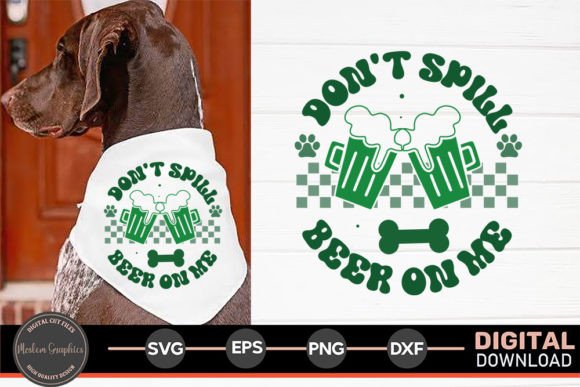
The phrase "don t spill beer on me" has a conversational, slightly pleading tone that translates perfectly into humor for the pet niche. Visually, the font choice matters a great deal for stitch conversion. A clean, bold san-serif or a slightly playful rounded font works best for satin stitch columns. If the original vector uses a thin or script style, auto-digitizing can result in messy outlines or tangled jump stitches. Upon inspecting the graphics, the layout is straightforward and balanced, which is exactly what you want for a machine embroidery design. There’s no excessive clutter, making it an excellent candidate for a quick stitch-out on a dog bandana or an adult sweatshirt.
One notable detail is the missing apostrophe in "don t." This is a common stylistic choice in SVG files for crafts and graphics. For embroidery, it actually creates a more uniform line of text. An apostrophe can sometimes break the rhythm of a satin column or get lost in the wash, so this clean line of characters digitizes slightly better than a standard contraction with a floating punctuation mark.
File Formats and the Digitizing Workflow
You receive this design as a zip file containing 1 EPS, 1 SVG, 1 PNG, and 1 DXF. Right out of the gate, this is great news for anyone running a craft business or an Etsy seller shop. I loaded the SVG directly into my digitizing software, and the vector paths were exceptionally clean, which saved me significant prep time. For those using a conversion service or an auto-digitizer, the DXF offers a reliable alternative that preserves the vector integrity.
A huge highlight listed in the item description is the 100 Color Change capability. While this is a fantastic feature for digital crafters using print-then-cut or sublimation, as an embroidery designer, I interpret this as extreme flexibility for color separation. I can easily isolate the text, the outline, and any background elements to assign specific thread colors. For my bandana project, I went with a Kelly green satin stitch for the text, a gold running stitch border, and a white underlay. The 100 color change means the SVG layers are perfectly organized for this kind of detailed editing.
Real Case Scenario: The St. Patrick’s Day Dog Bandana
The product description specifically mentions dog bandanas, and I can see why. It’s the perfect canvas for this holiday-themed humor. Here is exactly how I handled it for a boutique order:
- Fabric: 100% cotton woven bandana. Stable, non-stretchy, and ideal for a first test run.
- Hoop Size: I used a 5x7 hoop to give the text comfortable breathing room. If you are limited to a 4x4 hoop, you will need to scale it down. Watch the letter spacing carefully when scaling small.
- Stabilizer: Medium-weight tear-away. It holds the satin stitches well and the excess tears off easily from the cotton without distorting the hoop.
- Thread Colors: I opted for a bright, opaque white for the main text fill to pop against the green bandana. A quick running stitch border in gold added a premium, festive touch.
- Stitch Type: The text was converted to a satin stitch. It offers clean edges and a shiny finish that captures the celebratory mood of the theme.
The finished bandana had a professional weight to it. The humor was clear, the stitching was solid, and it felt like a product that would sell itself at a craft fair or in a boutique pet supply store.
Expanding the Product Line Beyond Bandanas
This design isn’t limited to dog accessories. It has strong potential for a variety of custom apparel and handmade products. Here are a few ways I would use it to diversify a small shop product line:
- Custom Apparel: A center chest layout on a sweatshirt or t-shirt. The humor appeals to adults, making it a great "funny holiday shirt" option for St. Patrick’s Day parties.
- Tote Bag Design: A classic canvas tote bag with this embroidery would be a conversational piece. It’s quick to stitch and offers a high perceived value.
- Embroidered Patch: Because the layout is clean and compact, digitizing it as a patch with a merrowed edge or a satin border is very straightforward.
- Aprons: Grill aprons or bar aprons with this embroidery make for a hilarious personalized gift for the dog lover who hosts game day.
- Kitchen Towels: A smaller, hooped version on a high-quality linen towel adds a boutique touch for holiday gift baskets.
I would be cautious about placing the straight text layout on a curved cap surface unless you distort the vector to follow the panel curve. A structured front panel works fine, but a curved dad hat would require significant digitizing adjustments.
Technical Watchpoints for Embroidery Professionals
No design assets are perfect right out of the box. An experienced apparel decorator knows where to look for potential issues before loading a job onto the machine.
Stitch Density and Pull Compensation
Let’s get into the specifics of the lettering. The 'e' and 'o' in this phrase are tightly compacted in standard fonts. When converting the SVG to a machine embroidery design, pay close attention to pull compensation. I usually set my satin columns to a density of 0.4mm to 0.5mm for standard cotton twill. This prevents the letters from looking like solid blocks while still providing rich, opaque coverage. If the density is too high, the fabric will pucker, and the letters will feel stiff.
Fabric Texture and Stretch
If you are stitching this onto a stretchy fabric like a tri-blend t-shirt, you must use a cutaway stabilizer. The satin columns can easily tunnel or pull if the fabric is not adequately stabilized. I always recommend a test stitch-out on a scrap of the actual fabric. Check the stitch density file edits to ensure the fill isn’t too heavy for the garment.
Small Lettering and Hoop Constraints
The phrase "don t spill beer on me" is on the longer side. In a small hoop, the letters will be quite tiny, potentially compromising legibility. The inner spaces of letters like 'e' and 'a' can fill in if the density is too high. I would suggest enlarging the design where possible, or selecting a bolder, wider font in your digitizing software before exporting the final embroidery file.
Enhancing Product Value and Customer Trust
When I sell a finished product with this design, I am not just selling thread and fabric. I am selling a reaction. The humor of "don t spill beer on me" creates an immediate emotional connection with the buyer. Clean stitching, proper thread tension, and a well-scaled layout signal professionalism. This builds customer trust and justifies a higher price point for your handmade product.
Boutique shoppers look for designs that spark a conversation. This is a statement piece. It differentiates your goods from mass-produced alternatives. Using high-quality thread with a nice sheen will elevate the final look of the graphics. The 100 Color Change attribute is a bonus for when you want to offer custom colorways—matching the thread to a specific brand of beer or the team colors of a local pub. This flexibility is powerful for small business owners looking to offer made-to-order personalized gifts.
Using the PNG for Printable Mockups
One of the most practical assets in this pack for an online seller is the PNG file. I used it to create a quick printable mockup on a dog photo and a sweatshirt mockup for my Etsy listing. This lets you gauge buyer interest and test the market before stitching a single item. Having high-quality design assets for your product photos is half the battle in e-commerce. The transparency of the PNG makes layering onto mockups effortless, allowing you to build a professional-looking storefront immediately.
Licensing and Commercial Use Checks
Before I run a batch of 50 bandanas for a local pet boutique, I always double-check the licensing. The product description does not explicitly outline the commercial embroidery license terms. My practical advice is to confirm with the seller that you have rights to use this design on commercial embroidery projects for sale. Many digital file sellers include a standard commercial use license with graphics, but it is always better to verify. You want to ensure your craft business is built on a solid legal foundation.
My Verdict on Production Use
The Don t Spill Beer on Me - SVG is a strong addition to any digital embroidery file library. It is timely for St. Patrick’s Day, universally appealing to dog lovers, and versatile enough for a range of products from dog bandanas to custom apparel. The file variety makes it accessible whether you are manually digitizing or auto-converting. Just pay attention to your hoop size, stabilize properly for your fabric choice, and test your stitch density. With a little preparation, this design will stitch out cleanly and sell quickly, bringing a smile to both the maker and the buyer.