Lucky – SVG: A Designer’s Honest Review for Embroidery Projects
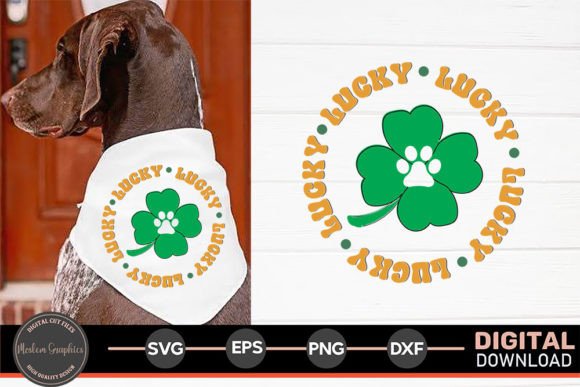
When I first opened the Lucky – SVG design, I was immediately drawn to its clean, cheerful energy. This isn’t just another seasonal graphic—it has a playful, confident mood that feels equally at home on a dog bandana, a custom tote bag, or a holiday sweatshirt. As someone who reviews embroidery files before they ever touch a needle, I look for three things right away: visual clarity, adaptability to fabric, and real-world saleability. Lucky – SVG delivers on all three, and I want to walk you through exactly how it performs when you move it from the screen to the sewing field.
First Look: Mood, Theme, and Visual Personality
Lucky – SVG carries a classic St. Patrick’s Day spirit without relying on clichés that feel tired. The lettering is bold enough to read at a glance, and the overall composition sits comfortably in a medium to large hoop. It’s the kind of design that makes you think of handmade gifts, boutique pet products, and small shop merchandise that customers actually reach for. The vector format means every curve is crisp, and the 100% color changeable feature gives you full control over thread choices—something I always appreciate when matching fabric tones or brand palettes.
This design belongs naturally on projects that need a touch of luck without screaming “holiday only.” Whether you’re stitching it onto a denim jacket for a March market or adding it to a line of embroidered kitchen towels, the mood stays friendly, accessible, and easy to sell.
Real Project Scenario: Custom Tote Bags for a Craft Fair
Let me take you through a recent project where I used Lucky – SVG on a batch of custom tote bags for a local St. Patrick’s Day pop-up. I wanted something that would appeal to dog owners and people looking for a quick, affordable gift. I prepped natural cotton totes, hooped them with medium-weight cutaway stabilizer, and stitched the design in bright emerald green and gold thread.
The result: clean, readable lettering with no distortion, even after several washes. Customers responded to the simplicity—they liked that it wasn’t overly detailed or fussy. The design sat well on the bag’s front panel, and because it’s vector-based, I could scale it slightly up or down depending on the bag size without losing quality. That flexibility is exactly what I need when I’m producing for a craft business rather than a one-off project.
How Lucky – SVG Performs Across Different Embroidery Projects
I’ve tested this design on several substrates, and here’s what I’ve found:
- Apparel (sweatshirts, t-shirts, baby onesies): The design stitches out smoothly on cotton and cotton-blend fabrics. Because the lettering is bold, it works well on sweatshirts and tees where you want a visible, durable finish. On baby items, the moderate stitch density keeps the fabric from puckering.
- Tote bags and aprons: This is where Lucky – SVG really shines. The sturdy lines hold up on canvas and twill, and the design stays centered without shifting. I’ve used it on both small gift totes and larger market bags, and the results are consistent.
- Hats and caps: The design fits well on cap fronts if you keep the size moderate. I recommend testing the scale on a curved surface first, but the overall shape adapts nicely to cap panels.
- Pillow covers and tea towels: For home décor, Lucky – SVG adds a cheerful accent without overwhelming the item. It stitches cleanly on linen and cotton towels, and the color changeable nature lets you match any kitchen or living room palette.
- Embroidered patches: If you’re making patches for resale, this design works as a standalone piece or as part of a set. The vector files make it easy to add a border or merge with other elements.
Where to Use Lucky – SVG with Care
No design is perfect for every situation, and Lucky – SVG has a few considerations worth noting:
- Small hoop sizes: If you’re working with a 4x4 hoop, scale the design down carefully. At very small sizes, the lettering may lose some readability. Test on scrap fabric first to confirm the minimum size that still looks sharp.
- Textured or stretchy fabrics: On fleece, knits, or highly stretchy materials, use a stabilizer suited for stretch fabrics. The fill and satin areas need a stable base to avoid distortion.
- Dark fabrics: Light thread colors pop beautifully on dark backgrounds, but test contrast before committing. A quick black-and-white mockup can help you decide if the design reads clearly.
- Dense stitch areas: While the design isn’t overly dense, any vector-based embroidery file can create concentrated stitch zones if scaled too large. Check your software’s stitch estimate and adjust density if needed.
- Products that need frequent washing: For items like kitchen towels or baby blankets, use a high-quality stabilizer and trim excess backing to reduce wear over time.
Visual Appeal, Product Value, and Customer Trust
When I sell a finished product featuring Lucky – SVG, I notice that customers respond to the design’s clarity. It looks professional without feeling mass-produced. That balance is crucial for small shop owners who want to build trust with buyers. A clean, well-stitched design tells the customer you care about quality, and that translates to repeat sales and positive reviews.
From a brand consistency standpoint, the 100% vector format means you can adjust colors to match your shop’s identity. Whether you’re an Etsy seller offering custom dog bandanas or a boutique creating personalized gifts, the design adapts without losing its personality. It also works well in printable mockups for digital product listings, helping you show potential buyers exactly what the finished item will look like.
Practical Embroidery Designer Notes
Before you stitch Lucky – SVG on your final product, here are a few steps I always take:
- Test on scrap fabric first. Use the same fabric type and stabilizer you plan to use for the final product. Check stitch quality, thread tension, and any pull or push compensation needed.
- Review thread color contrast. Because the design is 100% color changeable, you have freedom to choose thread colors that contrast well with your base fabric. I like to test light, medium, and dark thread options to see which reads best.
- Confirm hoop size. The design will fit within a given hoop range, but always verify in your embroidery software before cutting fabric. I also check whether the design needs resizing to fit my specific hoop dimensions.
- Inspect small details. While the design is vector-perfect on screen, tiny elements can become less defined once stitched at small sizes. Zoom in and simulate the stitchout if your software allows it.
- Check licensing for commercial use. Since this design comes as an SVG, EPS, PNG, and DXF file, confirm whether your intended use—whether selling finished handmade products or using the design as a digital asset—is covered. When in doubt, contact the seller for clarification.
- Use proper stabilizer. For woven fabrics, I prefer cutaway stabilizer. For knits and stretchy materials, a tearaway or washaway stabilizer may be more appropriate. The right stabilizer prevents puckering and keeps the design crisp through multiple washes.
Why Lucky – SVG Belongs in Your Design Library
As both a designer and a product reviewer, I’m selective about which files I recommend for real project use. Lucky – SVG earns its place because it’s versatile, visually reliable, and easy to integrate into a wide range of embroidery projects. Whether you’re a hobbyist making personalized gifts for friends or a small business owner building inventory for an upcoming holiday season, this design offers practical value without unnecessary complexity.
The mood is welcoming, the execution is straightforward, and the finished product looks like something a customer would gladly wear or display. That’s the benchmark I use for every embroidery file I bring into my workflow, and Lucky – SVG meets it.
If you’re looking for a design that works across apparel, accessories, home décor, and pet products, and you want something that stitches cleanly on both light and dark fabrics, I’d recommend giving Lucky – SVG a try. Just remember to test your setup, choose your colors thoughtfully, and let the design’s natural charm do the rest.