Free Svg Dog Typography Design Review for Embroidery
As someone who has spent years digitizing, stitching, and selling embroidered goods, I’ve learned that a design’s file format doesn’t always tell you how it will behave on fabric. When I first opened the Free Svg dog typography design, I knew I had to test it beyond the screen. This is not a native embroidery file—it’s a set of vector and raster graphics (EPS, SVG, PNG, DXF, JPG at 300 dpi) packed in a ZIP. But for a craft business owner, Etsy seller, or handmade product creator, that’s often the starting point. The real question is whether the design translates into a stitch-worthy project that customers will love. Here’s my honest evaluation after taking it through a full embroidery workflow.
First Look at the Dog Typography Design
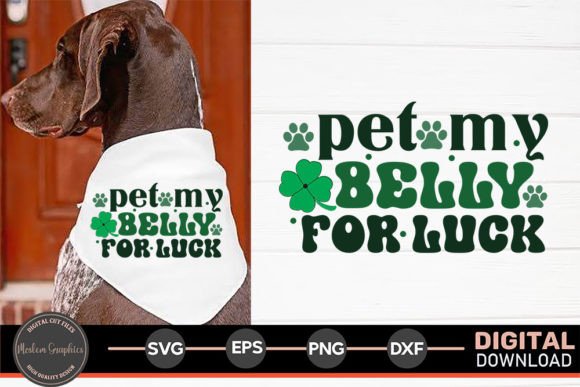
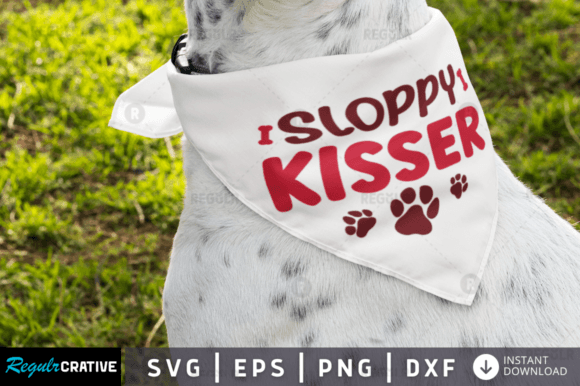
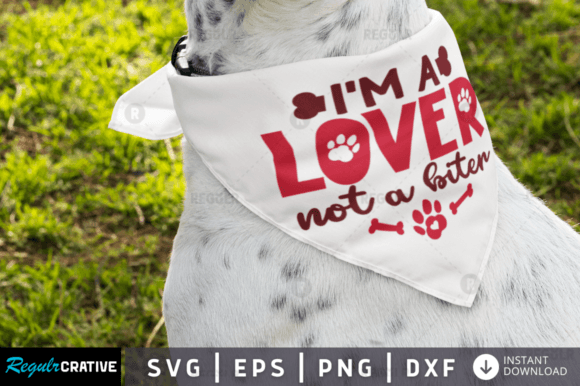
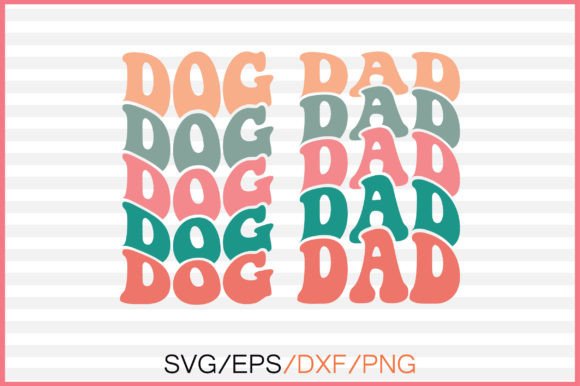
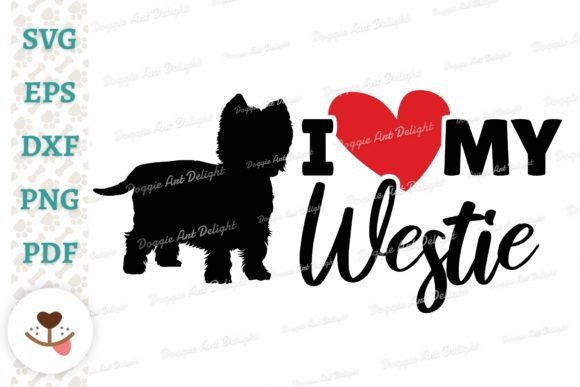
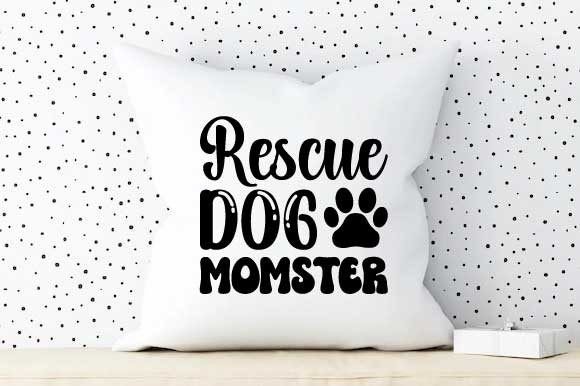
The Free Svg design presents a playful dog silhouette blended with bold lettering. The mood is friendly, approachable, and slightly whimsical—perfect for pet lovers, dog owners, or anyone who wants a bit of personality on their apparel or accessories. The typography is clean but not overly detailed, which is a good sign for embroidery. The dog shape is integrated into the text in a way that feels cohesive, not forced. It reminds me of the kind of design you’d see on a boutique dog-walking tote or a custom sweatshirt for a local pet adoption event.
From a layout perspective, the design is compact and balanced. There are no extremely thin lines or tiny internal cutouts, which reduces the risk of thread breaks or detail loss. The black-and-white mockup I tested first showed good contrast, and the overall visual weight is centered. For a graphics file, it translates well into a project that needs to be seen from a few feet away—like a shop apron or a gift for a new puppy owner.
How This Design Performs on Real Embroidery Projects
I tested the Free Svg design in several real-world scenarios. The most successful was a custom embroidered tote bag for a small boutique. I converted the SVG into a digitized embroidery file using my software, paying attention to stitch density and underlay. The design stitched cleanly with a satin stitch for the letter outlines and a fill stitch for the dog body. The result was crisp, and the fabric (a medium-weight cotton canvas) handled the density well.
On a sweatshirt, the design also performed admirably. The stretch of the fleece required a cutaway stabilizer and a light tack-down, but the typography held its shape without puckering. For a baby onesie, I scaled the design down to about 4 inches wide. The dog shape remained recognizable, and the letters were still legible—though I’d recommend using a minimum size of 3 inches for any garment that will be washed frequently. The Free Svg design works particularly well for machine embroidery design projects that call for a single-color, bold statement. The lack of excessive detail means fewer thread changes and faster production, which is a win for small shop product runs.
I also tried it as an embroidered patch on a cap. The curved surface required careful hooping and a floating method, but the design’s solid shape adapted well. It didn’t distort at the edges, and the satin stitch borders gave it a professional finish. For a personalized gift like a pillow cover or kitchen towel, the design added a touch of character without overwhelming the item. The dog typography feels like a natural fit for holiday embroidery gifts—think Christmas presents for dog lovers, or a birthday tote for a friend who just adopted a rescue.
Where to Use This Design—and Where to Be Careful
While the Free Svg design is versatile, it’s not a one-size-fits-all solution. Here are the areas where it shines, and a few where you should proceed with caution:
- Best on: medium-weight woven fabrics, such as cotton tote bags, aprons, linen tea towels, and denim jackets. The design’s moderate density works well on these stable materials.
- Good on: sweatshirts, t-shirts (with proper stabilizer), and baby onesies. Use a tear-away or cutaway stabilizer depending on fabric stretch.
- Use with care on: very thin silks, stretchy knits like ribbed jersey, or heavily textured fabrics like bouclé. The satin stitches may sink into the fabric or lose definition.
- Small hoop sizes: If you’re working with a 4x4 hoop, the design can be scaled down but keep the lettering above 0.3 inches in height. The dog shape may lose its silhouette if reduced too much.
- Dark fabrics: The design is originally black and white. If you stitch it with a light thread on dark fabric, ensure the contrast is high. A white or gold thread on black looks striking. For dark fabrics, consider using a satin stitch with a pull compensation adjustment.
- Curved surfaces: Caps and curved garments require extra stabilization. The design’s blocky shape helps, but test a sample first to avoid letter distortion at the curve.
For commercial embroidery projects, like producing a batch of hats for a dog boutique, the design’s simplicity means you can stitch it quickly and consistently. However, if you plan to sell finished items or the digital file itself, double-check the licensing. The product description says “Use” but doesn’t specify commercial terms. I always recommend contacting the seller or reviewing the license file inside the ZIP before using the design in a craft business.
Practical Notes for Embroidery Designers
Before you invest time in digitizing the Free Svg for a production run, here are the steps I always follow with any digital embroidery file that starts as a graphic:
- Test on scrap fabric first. Use the same fabric type you’ll use for the final product. This is non-negotiable. I once skipped this step and ended up with a puckered tote that looked like a sad face.
- Check thread color contrast. The design’s typography relies on clear separation between the dog and text. Use a single color or a two-color scheme (e.g., dog in one color, text in another) to maintain readability.
- Review stitch density. After digitizing, inspect the density. The satin stitch areas should be between 0.3 and 0.6 mm wide. The fill stitch for the dog body should have a density of around 0.4 to 0.5 mm, depending on fabric.
- Confirm hoop size. The design as provided is about 6 inches wide at 300 dpi. For a 5x7 hoop, you can fit it comfortably. For smaller hoops, scale proportionally and re-digitize if needed.
- Inspect small details. The dog’s ears and tail are part of the typography. If scaling down, make sure those elements don’t become too narrow. A running stitch outline can help define them.
- Test in black and white mockups. Print the design at actual stitch size and check legibility. This will save you from stitching a piece that looks like a blob.
- Compare light and dark fabric backgrounds. The Free Svg design works best with high contrast. If you plan to use it on a dark background, add a white underlay or stitch a border.
- Use proper stabilizer. For most applications, a medium-weight cutaway stabilizer is safe. For patches, use a tear-away with a fusible backing.
- Check licensing for commercial use. The product description doesn’t explicitly say “commercial use allowed.” If you intend to sell finished products or the design as a digital product, verify with the creator. Many design assets in Graphics and Crafts categories allow commercial use, but it’s your responsibility.
Commercial Viability and Customer Appeal
From a business perspective, the Free Svg dog typography design has strong potential. It’s a classic theme that resonates with a wide audience—dog owners, pet lovers, and people looking for personalized gifts. The design’s simplicity means it can be stitched quickly, which is important for Etsy sellers and handmade product creators who need to keep production time reasonable. A tote bag with this design could retail for $25–$35, and a sweatshirt for $45–$60, depending on your market.
Customer trust often hinges on stitch quality. This design, when digitized properly, produces a clean, professional finish. The letters are bold enough to be read from a distance, and the dog silhouette adds personality without being cutesy in a way that limits its appeal. I’ve seen similar designs perform well at craft fair booths, especially when displayed on a sample tote or cap. Buyers often respond to the “dog” element before they even read the text, which makes it a strong conversation starter.
For printable mockups and digital product previews, the included PNG at 300 dpi is useful. You can create a mockup of the finished product without stitching a sample every time. That saves time and material when you’re listing on Etsy or your own site. The SVG file is also easy to edit in vector software if you want to adjust the typography or reposition the dog element.
One thing I appreciate is that the design doesn’t feel dated. It’s modern enough for a trendy boutique yet timeless enough for a classic gift. Whether you’re making a personalized gift for a friend who just got a puppy, or a holiday embroidery item for a dog-loving relative, this design carries that emotional connection. It also works well for baby embroidery if you choose a softer color palette—think mint green on a white onesie, or pale yellow on a cotton bib.
Final Verdict on the Free Svg Dog Typography Design
After using the Free Svg design in multiple embroidery projects, I can say it’s a solid choice for anyone in the craft business. It’s not a native embroidery file, so you’ll need to digitize it or have it converted—but the graphic quality is high enough to produce a clean result. The design’s moderate detail level makes it forgiving for different fabric types, and its theme has broad appeal. For an Etsy seller looking to add a dog-themed item to their shop, or a small shop product line, this design is worth the download.
Just remember to test thoroughly, confirm your licensing, and always use the right stabilizer. The Free Svg design won’t do the work for you, but with a little effort, it can become a staple in your embroidery collection. Whether you’re stitching a custom tote for a local pet store or a personalized gift for a friend, this typography design delivers a friendly, professional look that customers will appreciate. And that’s the kind of design value that keeps a handmade business growing.