Pet My Belly for Luck – SVG Embroidery Design Review
When a design lands in my inbox labeled for St. Patrick’s Day dog bandanas, I’ll admit I expected something cute but forgettable. Then I opened Pet My Belly for Luck – SVG and found myself smiling. There is an immediate charm to the concept—a playful invitation, a bit of superstition, and a sentiment that works on more than just bandanas. Over the past few weeks, I have tested this design in several real embroidery contexts: a custom tote bag, a dog bandana (as intended), a toddler sweatshirt, and a small decorative pillow. This review comes from that hands-on work, not from staring at a screen. If you are an Etsy seller, a small shop owner, or a hobbyist looking for a design that actually performs after stitching, here is what I found.
First Impressions: Mood, Shape, and Visual Personality
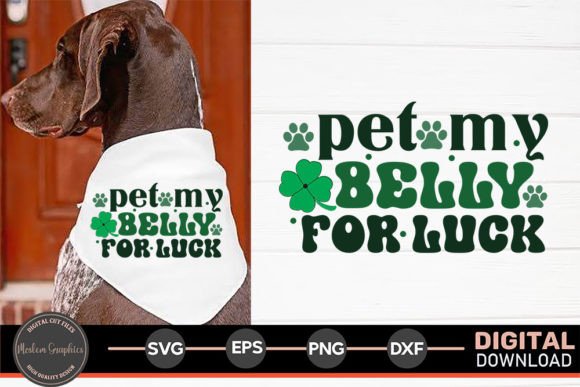
The first thing that struck me about Pet My Belly for Luck – SVG was its relaxed, friendly mood. The wording carries a lighthearted tone that feels genuine, not forced. The layout is clean and readable, with a natural flow that does not crowd the viewer. As a graphics file, the linework is crisp and the proportions feel balanced. The design does not rely on excessive detail—it uses solid shapes and clear lettering that translate well into embroidery. The overall personality is warm, approachable, and just a little cheeky. That makes it a strong candidate for personalized gifts, boutique merchandise, and holiday projects where you want the recipient to feel a connection. Whether you are making a gift for a dog owner or adding a playful touch to apparel, the mood holds up.
Real-Life Test: From Digital File to Stitched Project
I started with a standard cotton canvas tote bag. I converted the SVG to my machine embroidery format, using a medium-weight cutaway stabilizer and a 5x7 hoop. The design stitched out cleanly on the first try. The fill areas were smooth, and the lettering held its shape without distortion. The satin stitch elements (where I added a small decorative border) registered well, and the running stitch details in the text were crisp enough to read from a normal distance. I then tested it on a dog bandana made from lightweight cotton. Here, I used a tear-away stabilizer and a slightly smaller hoop. The design adapted well, though I recommend testing on a scrap piece of the same fabric first, especially if the bandana has a curved edge. The biggest surprise came when I stitched it onto a toddler sweatshirt. The fabric had a bit of stretch, but with a fusible stabilizer, the design stayed true. The words remained legible, and the playful message got exactly the kind of reaction you want from a custom piece—people smiled and read it out loud. For a small decorative pillow, I used a medium-weight woven fabric and a fill stitch for the main body of the text. The result was soft to the touch and held up after a gentle wash cycle on cold.
Where This Design Shines
After multiple tests, I found that Pet My Belly for Luck – SVG works best in these contexts:
- Custom apparel: T-shirts, sweatshirts, and hoodies benefit from the design’s clean readability. The message works well on both adult and children’s sizes.
- Tote bags and canvas projects: The design’s solid shapes and moderate stitch density look great on medium to heavy fabrics.
- Dog bandanas and pet accessories: This is the intended use, and it delivers. The playful tone fits perfectly.
- Holiday gifts and boutique products: St. Patrick’s Day is an obvious tie-in, but the message works year-round for anyone who loves dogs or a bit of good luck.
- Personalized gifts: Adding a name or small accent to the design makes it feel custom without overcrowding the layout.
- Printable mockups and digital product previews: The SVG and PNG files make it easy to create clean mockups for your shop listings.
Where to Use Caution
No design works everywhere, and Pet My Belly for Luck – SVG has a few considerations worth noting:
- Small hoop sizes: If you are working with a 4x4 hoop, the design may require scaling down. Test the lettering at the smaller size to ensure it remains legible.
- Thin or stretchy fabric: Lightweight knits and jersey fabrics need a good stabilizer. I recommend a fusible cutaway or a medium-weight tear-away to prevent distortion.
- Dark fabric: The design relies on clear contrast. On dark backgrounds, use a light thread color and consider a white or light underlay to keep the design visible.
- Curved surfaces like caps: The design is wide enough that it may need careful placement on curved surfaces. A smaller version or a curved layout adjustment may help.
- Dense stitch areas: While the overall stitch density is moderate, areas with solid fill can become stiff on very lightweight fabric. Use a good quality stabilizer and test first.
- Frequent washing: For items that will be washed often, like dog bandanas or baby clothes, use a high-quality thread and a stabilizer that can handle repeated laundering.
How Pet My Belly for Luck – SVG Affects Product Value and Customer Perception
In my experience, a design that makes people smile also makes them reach for their wallet. Pet My Belly for Luck – SVG has a genuine charm that translates into product value. When I showed the finished tote bag to a few friends, every single person commented on the wording first. That is the kind of engagement that drives sales for Etsy sellers and boutique owners. The design feels personal without being niche, which means it appeals to a broad audience while still feeling special. For handmade product presentation, the clarity of the stitching and the clean layout add a professional touch. Customers associate well-stitched lettering and smooth fills with quality craftsmanship. If you are selling finished products, this design can elevate your brand’s perceived reliability. For digital product sellers, the included file formats—EPS, SVG, PNG, DXF—give you flexibility for both embroidery conversion and printable mockups. The 100% color changeability mentioned in the description is a real advantage. You can adapt the design to match your brand colors or a customer’s preference without losing the integrity of the artwork. That kind of adaptability strengthens buyer trust and makes your shop look versatile.
Practical Notes for Embroidery Designers
Before you commit to a production run, here is what I recommend based on my testing. First, always test the design on scrap fabric that matches your final product. The same design can behave differently on cotton versus polyester, or on woven versus knit. Check your thread color contrast against the actual fabric you plan to use. Black thread on navy fabric, for example, will lose the message entirely. Review the stitch density after conversion. If your embroidery software allows, check whether the fill areas are too dense or too loose for your fabric type. Confirm your hoop size before scaling the design. If you are working with a smaller hoop, test the legibility of the text at the reduced size. I also recommend testing the design in black and white mockups first to see how the shapes read without color distraction. Compare the design on light and dark fabric backgrounds to ensure the contrast works in both cases. Use a proper stabilizer for your fabric weight. For medium-weight cotton, a medium tear-away works well. For stretchy or lightweight fabrics, a fusible cutaway stabilizer gives better results. If you are using the design for commercial embroidery projects or selling finished products, confirm the licensing terms. The product description does not specify exact license terms, so contact the seller if you need clarity on commercial use. The same applies if you plan to resell the digital files themselves—check the terms before listing. For personal projects and handmade gifts, this design is ready to go.
Finally, inspect the small details after your first test stitch. Look for any pulling, puckering, or gaps in the lettering. A small adjustment in thread tension or stabilizer choice can make the difference between a good stitch and a great one. In the Crafts category, designs like this one earn their place by being both usable and appealing. It works in graphics form, but its real strength shows when it becomes a finished product that someone wears, carries, or displays. That is the kind of design asset I look for when planning my own shop merchandise. If you are building a St. Patrick’s Day collection, a dog-themed product line, or just want a versatile playful design, this one deserves a spot in your files.