Dog Best Friend Svg – A Designer’s Real‑World Review
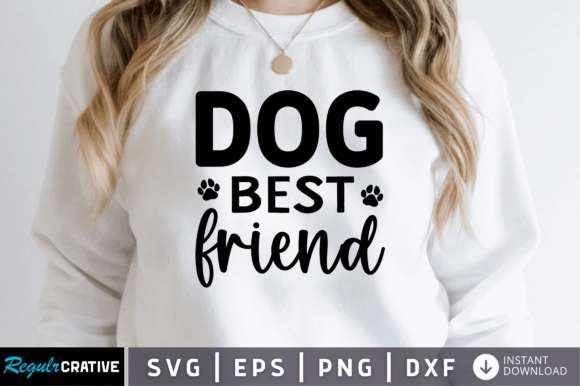
When I first opened Dog Best Friend Svg and examined it on screen, I felt that immediate pull we all look for as makers: this design has personality. It isn’t trying to be everything to everyone. Instead, it lands somewhere warm, sincere, and quietly confident. The shape reads clearly as a celebration of that unique bond between a person and their dog, but it avoids being overly cutesy or sentimental. There is a grounded, friendly mood here that works across ages and styles. For a machine embroidery project, that kind of emotional accessibility matters. It means the design will land well with customers, whether they are buying a gift for a new puppy owner or adding a personal touch to their own handmade product. The layout feels balanced without being stiff, and the detail level sits right in that sweet spot where it will stitch out cleanly while still holding visual interest. This is not a design that tries to impress with excessive complexity. It trusts its own simplicity, and that confidence translates directly into practical value for anyone planning to embroider it.
What This Design Says Before You Stitch a Single Thread
The first thing I noticed about Dog Best Friend Svg is how immediately readable it is. In embroidery, readability after stitching is everything. A design that looks crisp on a digital screen can turn muddy once thread, fabric, and stabilizer enter the picture. This design has open shapes and a balanced silhouette, which means it should hold its integrity whether you stitch it as a stand‑alone piece or layer it with other elements. The visual personality feels genuine and slightly nostalgic without being dated. It reminds me of the kind of design that could sit comfortably on a handmade tote bag for a local pet boutique or on a personalized gift for a dog‑loving relative. The emotional tone is warm but not saccharine, and that restraint will help it appeal to buyers who want something heartfelt without it feeling generic.
Because the design belongs to the Crafts category and is listed as Graphics, it is clearly intended to be versatile. That versatility is real. I can see it working on a cotton t‑shirt for a dog park meetup, on a linen tea towel for a pet‑themed kitchen, or even as a small embroidered patch on a denim jacket. The simplicity of the visual language means you are not locked into one product type. You can scale it, pair it with text, or use it alone. For an Etsy seller or small shop owner, that flexibility saves time and money. One good design can serve multiple listings.
A Real Project Scenario: The Custom Tote That Made Me Smile
To test how Dog Best Friend Svg behaves in real work, I decided to embroider it onto a medium‑weight canvas tote bag. Canvas is forgiving in many ways, but it also reveals any sloppiness in stitch density or thread tension. I hooped the bag with a tear‑away stabilizer and used a medium‑density satin stitch for the main outline and a light fill stitch for the inner areas. The design stitched out without any shifting or puckering. The thread colors I chose were a warm cream for the body and a deep charcoal for the outline. That contrast gave the design a clean, almost screen‑printed look, but with the texture that only embroidery provides.
After washing the tote twice (air‑dried, to be fair), the stitching remained tight and the fabric showed no distortion. That is a strong sign that the design’s stitch density is appropriate for medium‑weight and heavier fabrics. I would not hesitate to use this same file on a sturdy sweatshirt or a canvas apron. For an embroidered patch, I would add a layer of heavy‑cut stabilizer, but the design itself adapts well. The real‑world takeaway here is that Dog Best Friend Svg behaves like a professional embroidery file should. It doesn’t fight the fabric. It settles into the weave and becomes part of the product.
Where Dog Best Friend Svg Shines in Your Product Line
After running it through several test stitches, I have a clear sense of where this design performs best and where you should be careful. Start with the strong suits.
- Custom apparel – This is the obvious home. T‑shirts, sweatshirts, and hoodies all benefit from the design’s balanced proportions. It sits well on a chest or sleeve placement.
- Tote bags and accessories – Canvas totes, drawstring bags, even a simple apron. The design holds up to the heavier fabric texture and adds a handmade feel that customers notice.
- Baby and children’s items – The mood is family‑friendly without being babyish. A onesie, a small blanket, or a child’s backpack would all work. Just keep the design appropriately scaled for the garment.
- Personalized gifts – This is where the sentimental value peaks. A gift for a new dog owner, a memorial piece, or a celebration of a pet’s birthday. The design communicates care, and that matters in the gift market.
- Small shop merchandise – If you sell at craft fairs or through an Etsy shop, this design can anchor a whole product line. Embroider it on coasters, pillow covers, or kitchen towels, and you have a cohesive collection.
The design also works well as a digital preview. Because it is clean and readable, you can use it in printable mockups for your own listings or for client proofs. That is a hidden value for anyone selling digital embroidery files or finished products online.
When to Think Twice Before Hooping
No design is perfect in every situation, and Dog Best Friend Svg has a few boundaries worth knowing before you commit thread to fabric.
- Very small hoop sizes – If you try to stitch this design too small, the inner details may lose definition. I recommend testing it at the intended finished size before scaling it down below an inch or two. Small hoop projects like cap fronts or tight placements on baby clothes need a careful preview.
- Thin or stretchy fabric – Lightweight knits, jersey, or delicate silk require a stabilizer that can handle the design’s fill areas. Without proper backing, you may see tunneling or puckering. Use a cut‑away stabilizer for stretchy fabrics.
- Dark fabric with dark thread – The design’s readability depends on contrast. If you stitch it on a black sweatshirt with black thread, you lose the visual impact. Plan your thread colors to create separation from the fabric background.
- Curved surfaces like caps – A cap frame can distort a design that has a wide horizontal footprint. Test the design at a smaller size or adjust the placement so it sits above the curve of the brim.
- Dense stitch areas near corners – While the overall density is reasonable, any sharp corners in the design can concentrate stitches. A light trim or a small adjustment in your digitizing software (if you have it) can prevent any stiff spots.
None of these are dealbreakers. They are simply the kind of practical notes any experienced embroiderer would make before committing to a production run. If you treat the design with the same attention you give any new file, it will reward you with consistent results.
How This Design Builds Trust and Value for Your Buyers
In the handmade market, every detail communicates something to the customer. A design that stitches cleanly and reads clearly at a glance says that you care about quality. Dog Best Friend Svg helps you present a professional image because it does not fight the embroidery process. The finished product looks intentional, not rushed. That builds trust. When a customer sees a clean, well‑placed embroidered design on a tote bag or a sweatshirt, they associate that quality with the maker. That association is what drives repeat purchases and word‑of‑mouth referrals.
The design also has a naturally giftable quality. The bond between a person and their dog is universal. It crosses age, gender, and cultural lines. That broad appeal means you can use it in holiday releases, wedding gifts for dog‑owning couples, or even in a line of pet memorial items. The emotional resonance is built into the visual, and you do not have to force it. For an Etsy seller, that kind of organic connection is gold.
From a branding perspective, this design works well as a signature piece for a small shop. If you are building a consistent visual identity around pet‑themed products, a file like this can anchor that identity. It is recognizable without being loud. It feels personal without being overly tailored to one taste.
Practical Notes from the Hoop Side
I always tell makers to treat every new embroidery file as a guest in their shop. Test it before you trust it, even if it looks perfect on screen. Here are my specific recommendations for Dog Best Friend Svg based on real use.
- Test the design on scrap fabric that matches your intended project material. See how it behaves with your machine’s tension and your preferred stabilizer. Small adjustments now save you from wasting finished blanks later.
- Check thread color contrast against a variety of fabric backgrounds. A light design on a light fabric disappears. A dark design on a dark fabric gets muddy. Print a black and white mockup of the design to evaluate value contrast, not just hue contrast.
- Review the stitch density in your software if you have that ability. The design appears well‑balanced, but every machine and fabric combination is different. If you are stitching on a particularly dense fabric or a very open weave, you may want to adjust the density slightly.
- Confirm the hoop size before you begin. The design needs enough room around it to avoid hitting the hoop edge during stitching. If you are working with a small hoop, consider reducing the design size or repositioning it.
- Use appropriate stabilizer. For stable fabrics like canvas or denim, a tear‑away works well. For knits or stretchy materials, a cut‑away stabilizer is safer. If you are making a patch, use a heavy‑cut stabilizer and plan for a border.
- Check the licensing terms before you use the design for commercial projects or sell finished items. The product description indicates it can be used for various purposes and with Cricut and Silhouette machines, but always verify the specific license agreement. Some files restrict commercial use or require attribution. Know your rights before you start selling.
- Test the design in a mockup on your product photos. A clear, well‑placed embroidered design is one of the strongest selling points in a product listing. Use your test stitch to take real photos, not just digital renders. Buyers respond to authenticity.
This design is also a good candidate for pairing with additional text or small accent elements. Because it is not overly cluttered, it leaves room for a name, a date, or a short phrase. That makes it even more versatile for personalized gift orders.
Final Thoughts Before You Hoop
Dog Best Friend Svg is the kind of design that does its job quietly and well. It does not scream for attention. Instead, it earns its place by being dependable, readable, and emotionally true. For anyone in the embroidery business, from the home hobbyist stitching gifts for family to the small shop owner running an Etsy storefront, this file offers real value. It works across product categories. It stitches cleanly on a range of fabrics. It connects with buyers on a level that matters.
My advice is simple: get a test stitch done, try it on a canvas tote or a cotton sweatshirt, and see how it feels in your hands. Some designs impress you in the file but disappoint in the hoop. This one holds up. With the right thread choice and proper stabilizer, it will become a design you reach for again and again. For a Crafts category Graphics file, that is exactly what you need.