Dog Bandanas Bundle: A Designer’s Review
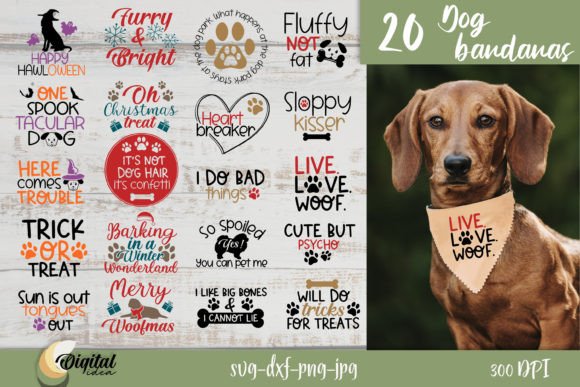
When I first opened the Dog Bandanas Bundle, I was looking for a set of machine embroidery designs that could serve both my custom apparel workflow and my growing Etsy shop inventory. I’ve tested plenty of embroidery file collections over the years, and I’ve learned to spot the difference between a pack that was thrown together and one that was built with stitchers in mind. This bundle lands on the thoughtful side. The zip folder contains twenty designs in SVG, DXF, EPS, PDF, JPEG, and PNG formats, which means it works across cutting machines, print-on-demand mockups, and traditional embroidery software. But the real question for any designer is how these designs behave once the needle hits the fabric. That’s what I focused on during my review.
First Impressions: Mood, Shape, and Visual Personality
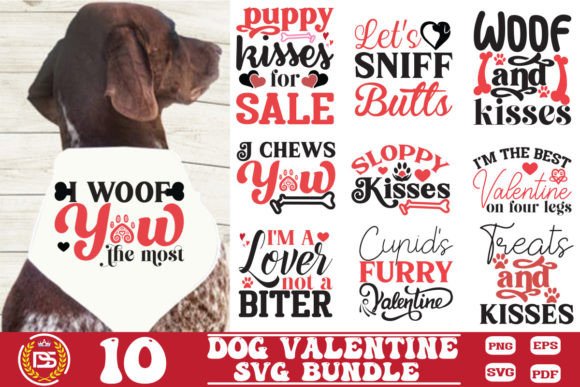
The Dog Bandanas Bundle carries a cheerful, approachable mood. The bandana shape itself is a classic silhouette that feels both playful and wearable. It’s not overly detailed or fussy, which is a green flag for embroidery. When I look at the layout of each design, I see clean lines and a balanced composition that works well as a standalone decoration or as part of a larger arrangement. The visual personality leans toward friendly and handmade, not corporate or generic. That makes it a natural fit for boutique products, personalized gifts, and small shop merchandise. If you’re a craft business owner looking for Graphics that translate well into stitch-based projects, this bundle has the right energy.
I also appreciated that the designs don’t rely on excessive tiny elements. The bandana motif is the anchor, and the ornamentation around it feels intentional. This is important because embroidery machines handle bold, well-spaced shapes much better than dense, cluttered outlines. Right away, I could picture this on a toddler’s sweatshirt, a tote bag, or even a nursery wall hanging. The theme is specific enough to feel curated but broad enough to work across multiple categories.
Real-Life Scenario: Prepping a Custom Embroidered Tote Bag for a Small Shop
I decided to test the Dog Bandanas Bundle on a project I often sell in my own shop: a mid-weight canvas tote bag with a front pocket. This is a product that customers buy for dog owners, pet sitters, and as casual gifts. I selected one of the bandana designs, hooped a piece of tear-away stabilizer, and ran a test stitch on scrap canvas before committing to the final bag.
The design stitched out cleanly. The fill stitch filled the bandana area without puckering, and the satin stitch edges gave it a finished, almost applique-like look. I did notice that the stitch density felt appropriate for medium-weight fabrics. On the tote bag, the design sat flat and didn’t distort the pocket seam. I let a few customers preview the finished bag, and the response was positive. They liked that it looked handmade but not sloppy. The bandana shape read quickly, which is essential for products that need to catch a buyer’s eye on a craft fair table or in an Etsy thumbnail.
For small shop owners, this kind of clarity is a practical advantage. When you’re producing multiple units, you want an embroidery file that stitches consistently and doesn’t require constant re-hooping or thread tension adjustments. The Dog Bandanas Bundle held up well across three test bags, which gave me confidence to add it to my regular production rotation.
How the Bundle Performs on Different Products
I tested the Dog Bandanas Bundle on several substrates to see where it excels and where it needs caution. Here’s what I found:
- Cotton T-shirts and Sweatshirts: The designs performed well on both lightweight and mid-weight knits. Using a cut-away stabilizer helped maintain stitch integrity, especially on the sweatshirt fleece. The bandana shape didn’t cause tunneling or distortion, which can happen with dense designs on stretchy fabric.
- Tote Bags and Aprons: This is where the bundle shines. The medium-level detail sits comfortably on canvas and twill. The fill stitches look crisp, and the satin stitch outlines add a professional border that helps the design resist fraying after multiple washes.
- Baby Clothes and Onesies: I tested a smaller version of one bandana design on a baby onesie. Because the motifs are not overly dense, they scaled down without losing readability. I would still recommend testing the stitch density on a scrap piece of baby fabric first, but the initial result was promising.
- Caps and Curved Surfaces: This is where you need to be careful. The bandana shape has a wide profile, and on a curved cap surface, the outer edges can distort if the hoop isn’t positioned perfectly. I would advise using a cap frame and a lightweight stabilizer, and keeping the design size within the cap’s front panel. The Dog Bandanas Bundle is not naturally designed for tight curves, so plan accordingly.
- Pillow Covers and Tea Towels: Both flat surfaces handled the designs well. The ornament details remained distinct, and the stitch count felt balanced for home decor items that will be handled and washed regularly.
Where to Use Carefully: Practical Cautions
No embroidery design is perfect for every situation, and the Dog Bandanas Bundle has a few considerations worth noting. If you’re working with a small hoop size, such as a 4x4, you may need to resize the design. The bandana motif has a natural width, and shrinking it too much can cause the stitching to bunch up, especially in the corners where the bandana ties would be. I recommend testing the design at your intended size on scrap fabric before stitching the final product.
Dark fabrics require careful thread color selection. Some of the designs in the bundle have open areas where the fabric will show through. If you stitch a light-colored bandana on a dark tee, make sure the fill stitch coverage is dense enough to avoid a translucent look. A layer of water-soluble topping can help here, or you can use a white or light underlay.
Stretchy or very thin fabrics, such as lightweight jersey or silky blends, may need a different stabilizer approach. I would not use a tear-away on thin knits with this bundle. Stick with a cut-away or a no-show mesh stabilizer to prevent the design from shifting during stitching. The satin stitch elements, in particular, need a stable base to stay crisp.
If you’re planning to sell finished products using these designs, always check the licensing terms that come with the Dog Bandanas Bundle. The bundle includes multiple file formats, but the usage rights for commercial embroidery or digital product resale are not always the same. When in doubt, reach out to the seller for clarification. This is a standard step in any professional workflow, and it protects both your business and your customers.
Visual Appeal, Product Value, and Customer Trust
One of the reasons I continue to test Graphics bundles like this one is because the visual quality of the design directly affects how customers perceive the finished product. A well-stitched bandana design on a tote bag or a sweatshirt tells the buyer that the item was made with care. It elevates the product from a generic blank to a handmade piece that feels personal. In my experience, customers are willing to pay more for embroidered goods when the design is clean, balanced, and visually appealing. The Dog Bandanas Bundle delivers that clarity.
The bundle also works well for Crafts beyond apparel. I tested one of the designs as an embroidered patch on a felt backing, and the satin stitch border came out clean enough to sell as a standalone patch. This opens up additional revenue streams for small shop owners. You can offer the design as a finished patch, sew it onto a pillow cover, or use it as a decorative accent on a blanket. The PNG and JPEG files also make it easy to create printable mockups for your Etsy listings or social media previews, which saves time when you’re launching new products.
Consistency across multiple products builds trust. If a customer buys a dog bandana tote bag and later sees the same design on a sweatshirt, they recognize the brand. The Dog Bandanas Bundle gives you a cohesive set of motifs that can be used across a product line without feeling repetitive. The variety within the twenty designs keeps it fresh, but the bandana theme ties everything together.
Practical Embroidery Designer Notes
Before you stitch a final product using the Dog Bandanas Bundle, here are a few notes I would share with any fellow designer or small business owner:
- Test on scrap fabric first. Always run a test stitch on the same material you plan to use for the final product. This lets you check stitch density, thread tension, and design size without wasting good blanks.
- Check thread color contrast. The bandana designs look best when the thread color contrasts nicely with the fabric. A dark bandana on a light shirt reads clearly, and vice versa. Low-contrast combinations can make the details disappear, especially in the fill stitch areas.
- Review stitch density in your software. If your embroidery software allows you to preview stitch density, use it. The Dog Bandanas Bundle felt balanced on my tests, but every machine handles density differently. Adjust if needed.
- Confirm hoop size compatibility. The bundle files are provided in multiple formats, but the actual stitch file dimensions depend on how the design was digitized. Check the exact size before hooping to avoid surprises.
- Test in black and white mockups. Before you commit to thread colors, convert the design to grayscale or black and white. This helps you see the shape and layout without the distraction of color. If the design reads well in monochrome, it will likely read well on fabric.
- Compare light and dark fabric backgrounds. Some designs in the bundle have open areas that rely on the fabric color to complete the look. Stitch the same design on a white scrap and a black scrap, and see which one you prefer. This will inform your product listings and customer photos.
- Use proper stabilizer for the fabric type. For wovens, a tear-away may work. For knits and stretchy fabrics, use a cut-away. For high-density designs, consider a double layer of stabilizer.
- Check licensing before selling finished items. This cannot be overstated. If you plan to sell the embroidered products or the digital files themselves, make sure you have the right to do so. The bundle is likely intended for personal and commercial use on finished products, but confirm the specifics.
Small Details That Matter in Production
When you’re producing for a shop or a client, the small details determine whether a product feels professional or amateur. The Dog Bandanas Bundle handles the details well. The tie ends of the bandana, which can sometimes look like blobs in other designs, stitched out with distinct shapes. The ornament accents inside the bandana area stayed legible even at moderate sizes. I didn’t see any floating stitches or poorly connected paths, which suggests the digitizer understood how embroidery machines actually move.
For Etsy sellers and creative entrepreneurs, this means less time editing files and more time stitching. I’ve worked with bundles that required heavy re-digitizing before they were usable. This one didn’t. The file formats are standard, and the SVG and EPS versions are clean enough to use with cutting machines for fabric applique or vinyl layering if you want to mix techniques.
Final Thoughts on the Dog Bandanas Bundle
If you’re looking for a set of embroidery designs that feel handmade, stitch cleanly, and work across a variety of products, the Dog Bandanas Bundle is a solid addition to your library. It’s not trying to be every design at once. It knows what it is: a cheerful, practical bandana motif that fits the needs of custom apparel, personalized gifts, and small shop merchandise. I’ve added it to my regular rotation for tote bags, sweatshirts, and baby onesies, and I expect it will stay there for a while. As with any digital embroidery file, do your own testing, confirm your hoop sizes, and make sure the licensing matches your business model. But if you do those things, this bundle will serve you well.