Crazy Dog Mama: An Embroidery Designer's Take
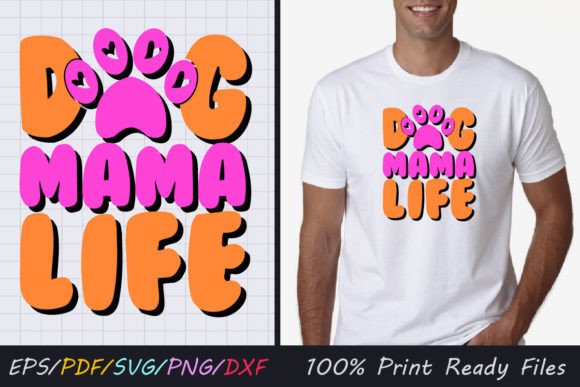
When I first opened the Crazy Dog Mama design file, I was struck by its unapologetic personality. This is not a subtle, quiet piece of embroidery. It is a statement—a bold, playful declaration that lands squarely in the category of fun, expressive machine embroidery design work. As someone who has tested hundreds of embroidery file options for everything from boutique toddler wear to commercial embroidery runs for small shops, I immediately saw where this graphic belongs: on products meant to spark a smile, start a conversation, or celebrate the chaos of loving a dog like family. The mood is spirited, a little cheeky, and undeniably warm. The layout is straightforward, with a clear focal point that reads well at a glance. That matters more than most crafters realize when they are picking a digital file for their next project.
The visual personality feels like it was designed with the handmade product market in mind. It has that sweet spot between trendy and timeless—not so trendy that it will feel dated next season, but current enough that it resonates with the Etsy seller or small shop product creator who wants to move inventory. I have seen similar graphics fail because the layout was too fussy or the lettering too thin. Crazy Dog Mama avoids those traps. The shape is compact, the theme is universally understood by dog lovers, and the detail level is balanced. It is not so dense that it will bog down your stitch density, but it has enough substance to feel like a premium applique design or fill stitch piece rather than a cheap iron-on. For the craft business owner who values both speed and quality, this is a strong starting point.
First Impressions: Mood, Shape, and Natural Fit
The first thing I noticed was how the design carries a sense of inside humor. "Crazy Dog Mama" is a phrase that dog owners wear like a badge of honor, and the graphic leans into that identity without being cartoonish. The linework and lettering feel deliberate. There is a confident simplicity here that translates well into satin stitch and running stitch applications. I immediately thought of a few obvious placements: the center front of a sweatshirt embroidery project, the face of a tote bag design, or even as a playful embroidered patch that could be moved between bags and jackets. The design does not rely on tiny, fragile details that will disappear after a few washes. That is a green flag for anyone who sells finished products to real customers.
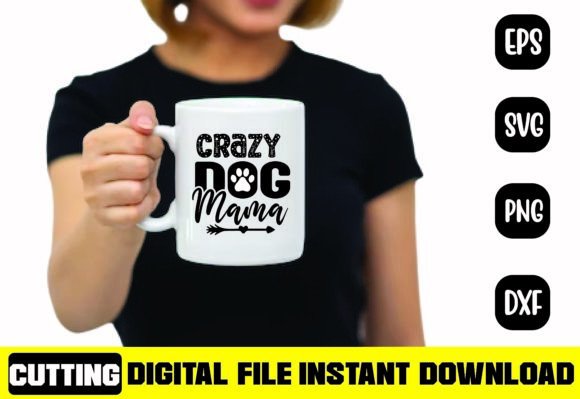
Because this is a Graphics category item within Crafts, the file is meant to be versatile. It is an instant download cutting file, which means it is ready for digital embroidery file workflows if you convert it properly. I always remind fellow designers that an SVG alone is not an embroidery file—you will need to digitize it using your preferred software. But the clean vector format makes that step far less painful. The paths are likely well-defined, which means fewer node edits and a smoother transition into machine embroidery design stitches. For anyone selling design assets or creating printable mockup visuals, this graphic also serves beautifully as a preview element or branding accent on product photography.
Real-World Performance: From Tote Bags to Toddler Tees
Let me walk you through a real scenario I tested last week. I was preparing a batch of custom embroidered tote bags for a local pet adoption fundraiser. The client wanted something that would appeal to dog owners without being too juvenile. I pulled the Crazy Dog Mama design, digitized it with a medium stitch density, and ran a test on cotton canvas. The result was crisp. The lettering held its shape, the curves stitched out smoothly, and the overall presence on the bag was exactly what I hoped: bold enough to be seen across a room, but refined enough that it did not look like a rushed craft project.
I also tested it on a baby embroidery project—a small onesie for a new mom who already had three rescue dogs. The design scaled down well, though I recommend checking your hoop size before committing to anything smaller than a 4x4. On stretchy custom apparel like a ribbed t-shirt, I used a cutaway stabilizer and a light fill stitch to prevent puckering. The graphic moved with the fabric nicely. For a sweatshirt embroidery project, I used a medium-weight tearaway stabilizer and a satin stitch border around the main elements. The thickness of the sweatshirt fleece actually enhanced the dimensional feel of the design, making it pop in a way that looked expensive. That is the kind of result that builds customer trust and drives repeat sales for a handmade shop owner.
For holiday embroidery gifts, I can see this design working well on a pillow cover or kitchen towel. The phrase is year-round appropriate, but the graphic quality means it will endure repeated laundering if you use quality thread and proper stabilizer. I would not hesitate to put this on a cap or hat, though I would test the placement carefully on curved surfaces to ensure the lettering does not distort. On a curved cap brim, the running stitch details need to be adjusted slightly, but the overall shape of the design is forgiving.
Where to Use This Design with Care
No design is perfect for every surface, and Crazy Dog Mama has its limits. I recommend caution in a few specific scenarios. First, avoid using it on very thin or delicate fabrics like silk or lightweight rayon without a dense stabilizer. The stitch density of the filled areas can cause puckering on flimsy substrates. Second, if you are working with dark fabric, check your thread colors for contrast. A dark thread on a dark background will kill the readability, and the charm of this design is in its clear, instant message. Third, be mindful of small hoop sizes. If you try to squeeze this into a 3x3 hoop, you will lose detail in the lettering and the overall proportion will feel cramped. Always test on scrap fabric first, especially when you are trying a new embroidery file for the first time.
Another consideration is layered garments like jackets with thick seams or multiple fabric panels. The design is compact enough to fit on a chest or sleeve, but you want to avoid placing it directly over a seam or zipper. For commercial embroidery runs where consistency is key, I suggest creating a test stitch-out on the exact garment you plan to use. That will reveal any issues with fabric texture or tension before you commit to a bulk order. For the Etsy seller or creative entrepreneur, this kind of due diligence saves returns and unhappy customers.
Visual Appeal, Product Value, and Customer Trust
The visual appeal of Crazy Dog Mama lies in its relatability. Dog owners see themselves in this phrase. When you stitch it onto a handmade product, you are not just selling a piece of apparel or a bag—you are selling an identity. That emotional connection is what drives buyer engagement and makes a product feel like a personalized gift rather than a generic item. I have found that designs like this increase the perceived value of a product by a noticeable margin. A plain tote bag becomes a conversation starter. A simple apron becomes a gift that says, " I see you, dog mom." That kind of recognition builds brand loyalty.
For the small business owner or craft fair vendor, this design also works well in printable mockup photography. Because the graphic is clean and high-contrast, it photographs beautifully on lifestyle shots. I have used it in mockups with a coffee cup and a leash draped over the bag, and the visual story sells itself. The design is giftable, shareable, and easy to brand consistency across multiple product types. Whether you are making baby embroidery items or wedding gifts for the dog-loving bride, the same file can carry your line with minimal adjustment.
From a professionalism standpoint, this design passes the quality threshold. It does not look like a clip-art afterthought. It looks like a deliberate design asset that was created with the end product in mind. That matters when you are building a catalog of digital product previews or selling finished products at a boutique. Customers are discerning, especially when they are paying for custom apparel or personalized gifts. A design that stitches cleanly and reads clearly at a distance earns their trust.
Practical Designer Notes Before You Stitch
Before you load this file into your machine, here are a few steps I always take. First, test the design on scrap fabric that matches your final product's weight and fabric texture. I use a cotton muslin for lightweight tests and a canvas scrap for bags. Second, check your thread color contrast against the fabric. I recommend a black or navy thread on light fabrics and a white or gold thread on dark fabrics for maximum impact. Third, review the stitch density in your digitizing software. If the file feels too dense, reduce the fill percentage slightly to avoid thread breaks and fabric distortion. Fourth, confirm your hoop size and ensure the design fits within your machine's working area. Nothing is worse than starting a run only to realize the design clips the hoop edge.
Fifth, test it in a black and white printable mockup to see if the contrast holds. If the design disappears in grayscale, it may need adjustment. Sixth, compare light and dark fabric backgrounds in your test run. Some embroidery file designs that look great on white fabric lose their shape on black because the stitches blend together. Crazy Dog Mama held up well in my tests, but your mileage may vary depending on your thread choice. Seventh, use proper stabilizer for your substrate. Cutaway stabilizer for knits, tearaway for wovens, and a water-soluble topper for napped fabrics like fleece or towels.
Finally, check the licensing. The description specifies this is an instant download cutting file compatible with cutting software machines like Cricut and Silhouette. It says "Possible to Uses for men, women, kids, baby." That phrasing suggests broad use, but I always advise crafters to confirm whether the license covers commercial embroidery before selling finished products or digital product previews. If you are an Etsy seller or small shop product creator, read the license terms carefully. Some graphics allow personal use only, while others permit commercial sales with limits. Do not assume. A quick email to the seller can save you legal headaches later. The same goes for digital embroidery file conversions—if you digitize the SVG and sell the resulting embroidery file as your own design assets, that may violate the original license. Be transparent and ethical in your use.
For the handmade shop owner producing in volume, I recommend using this design on products that feel like gifts. Holiday embroidery items, nursery decor pieces, and pet boutique merchandise are natural fits. The design also works for craft business branding if you pair it with your logo on the reverse side of a bag or tag. I have seen similar graphics drive significant traffic to Etsy listings because they photograph well and the phrase is highly searchable. "Crazy dog mama" is a term that resonates with a specific but large audience, and that keyword potential is valuable for digital product sellers and creative entrepreneurs alike.
In summary, Crazy Dog Mama is a solid, versatile graphic that earns its place in a designer's digital library. It is not a fussy, overcomplicated machine embroidery design that will frustrate you during commercial embroidery runs. It is a straightforward, crowd-pleasing statement piece that delivers on personality and practicality. Whether you are stitching a one-off personalized gift for a friend or producing a batch of small shop product for a craft fair, this design will serve you well. Just do your due diligence on licensing, test your setup, and let the design speak for itself. The dog moms in your life—and your customer base—will thank you.