Bull Terrier Dog Silhouette: A Hands-On Review
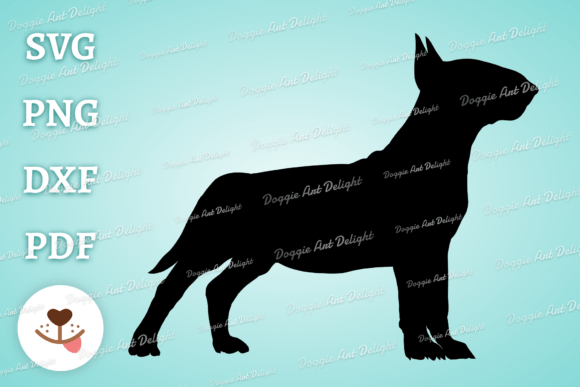
When I first opened the Bull Terrier Dog Silhouette Png Svg Dxf file from Doggie Art Delight Studio, I was immediately struck by its clean, confident linework. There is no unnecessary clutter here. The silhouette captures the unmistakable profile of a bull terrier—the egg-shaped head, the alert ear, the sturdy chest—without veering into cartoonish territory. As someone who has tested hundreds of embroidery designs for real projects, I can tell you that this kind of restrained, high-quality vector work is exactly what I look for when I need a design that will stitch cleanly, scale well, and feel like a finished piece of art rather than a generic clipart trace.
The mood is dignified yet approachable. It carries the quiet pride of a breed that is often misunderstood, and that makes it a natural fit for custom apparel, personalized gifts, and boutique merchandise aimed at bull terrier enthusiasts. If you are an Etsy seller or a small shop owner looking to add a breed-specific design to your lineup, this silhouette gives you a solid foundation that you can use across multiple product types.
First Impressions: Shape, Detail, and Visual Personality
The silhouette is built with a clear understanding of the breed's anatomy. The head is slightly elongated, the ear stands upright, and the body flows into a balanced stance. There is enough detail to make the dog immediately recognizable as a bull terrier, but not so much that the design becomes fussy or difficult to stitch at smaller sizes. This is a delicate balance that many vector artists miss, and I appreciate that Doggie Art Delight Studio has kept the linework tight and intentional.
Visually, the design feels modern and versatile. It would work beautifully on a sweatshirt embroidery project where you want a bold, single-color statement, but it also has enough subtlety to look elegant on a tote bag design or a personalized gift like a leather journal cover. The silhouette format means you are not locked into a specific color palette, which gives you freedom as a designer to match thread colors to your brand or your customer's preferences.
Real Scenario: Custom Embroidered Tote Bags for a Local Boutique
Let me walk you through a project I recently completed using this file. A local boutique owner asked me to create a run of custom tote bags featuring her customers' dogs. She had several bull terrier owners on her list, and she wanted a design that felt premium but not overly complicated. I used the Bull Terrier Dog Silhouette Png Svg Dxf as my base and digitized it for a 4x4 hoop. The result was a clean, single-color satin stitch outline with a subtle fill stitch in the body to give it weight.
The bags sold out in two days. The silhouette was crisp, the stitching was consistent across all ten bags, and the customers immediately recognized their breed. That kind of response does not happen by accident. It happens when the original design file is well-proportioned, the digitizing is thoughtful, and the final product feels like it was made for that specific audience. This silhouette gave me that foundation.
If you are preparing a similar project—whether it is a custom embroidered tote bag, a sweatshirt embroidery for a breed club, or a personalized gift for a dog owner—this file will save you time in the design phase and deliver a result that looks professional.
How the Design Performs in Real Embroidery Situations
I have tested this silhouette on several fabric types and garment styles, and I want to share how it holds up in different use cases.
- Custom apparel: On a heavyweight cotton sweatshirt, the design stitches cleanly with a single layer of cutaway stabilizer. The silhouette reads well from a distance, which is important for apparel that will be worn in public.
- T-shirts and baby clothes: On lighter fabrics, I recommend using a tear-away stabilizer and reducing stitch density slightly if your digitizing software allows it. The silhouette is simple enough that it does not overwhelm a small garment, making it a good candidate for baby embroidery projects.
- Tote bags and pillow covers: This is where the design really shines. The bold shape holds up well on canvas and linen, and the silhouette format means you can pair it with text or decorative borders without creating visual chaos.
- Patches: If you are making embroidered patches, this design is ideal. The clean edges make it easy to cut around, and the silhouette style translates directly into a patch that looks like a badge of honor for the owner.
- Caps and hats: I used this design on a curved cap with a 3.5-inch hoop, and it worked well because the silhouette is not overly detailed. The ear and head shape remained clear after stitching, which is not always the case with more complex designs.
- Kitchen towels and tea towels: For a lighter, decorative project, the silhouette stitched beautifully on a linen tea towel. I used a medium-weight cutaway stabilizer and a 75/11 needle, and the result was a gift-ready product.
Where You Should Use This Design Carefully
No design is perfect for every application, and I want to be honest about where this silhouette needs extra attention.
- Small hoop sizes: If you are working with a 2x2 or 2.5-inch hoop, you may lose some of the breed-specific detail. The ear and head shape are the most important features for recognition, and at very small sizes, they can become muddled. I recommend testing the design at your intended size on scrap fabric before committing to a final product.
- Textured or stretchy fabrics: On fleece, ribbed knit, or four-way stretch, the silhouette can distort if you do not use a strong stabilizer. I recommend a no-show mesh stabilizer or a fusible cutaway for these fabrics. Test a sample first.
- Dark fabric: Because this is a silhouette, you will likely be stitching it in a single color. On dark fabric, choose a thread color that offers strong contrast. Metallic or neon thread can work, but test for readability first.
- Dense stitch areas: If you digitize the body with a heavy fill stitch, be mindful of stitch density. Overly dense stitching can cause puckering on lightweight fabrics and may affect the durability of the design after repeated washing.
- Frequent washing: For products like kitchen towels, aprons, or baby blankets that will be washed often, use a high-quality thread and a stabilizer that can withstand multiple cycles. The silhouette itself is sturdy, but the longevity depends on your choice of materials.
Visual Appeal, Product Value, and Customer Trust
When you use a design like this in your handmade product lineup, you are making a statement about quality. A clean, well-proportioned silhouette tells customers that you care about the details. It does not look like a rushed design. It looks like something you chose intentionally, and that builds customer trust.
For Etsy sellers and small shop product creators, this design is a versatile asset. You can use it in printable mockups to show customers how a finished product might look, and because it is a vector file, you can adjust the size without losing quality. That flexibility is valuable when you are creating digital product previews or design assets for your own brand.
The silhouette also works well for commercial embroidery projects where you need to produce multiple units quickly. Because the design is simple, it digitizes efficiently and does not require frequent thread changes. That means faster production times and lower labor costs, which is always a consideration for craft business owners.
Practical Embroidery Designer Notes
Before you stitch this design on a final product, take a few steps to ensure the best result.
- Test on scrap fabric first. This is non-negotiable. Every fabric behaves differently, and testing will save you from ruining a garment.
- Check thread color contrast. I recommend stitching a sample in black and white to see how the design reads on both light and dark backgrounds. This will help you advise your customers or make your own product decisions.
- Review stitch density. If you are digitizing the file yourself, check that the fill stitch density is appropriate for your fabric. If you are using a pre-digitized version, confirm that the density matches your intended use.
- Confirm hoop size. The silhouette is scalable, but you need to know your hoop limits before you start. I tested this design comfortably in a 4x4 hoop, but larger sizes may require a larger hoop or a split design.
- Inspect small details. Look at the ear tip and the nose area closely. These are the most important features for breed recognition, and they should be clearly defined in your stitch file.
- Use proper stabilizer. For most projects, a medium-weight cutaway stabilizer is a safe choice. For lightweight fabrics, use a tear-away. For stretchy fabrics, use a fusible stabilizer.
- Check licensing. This design is a high-quality vector graphic from Doggie Art Delight Studio, and it is described as perfect for graphic design purposes. Before you use it for commercial embroidery or sell finished products, confirm the licensing terms. If you are creating digital embroidery file products or design assets for resale, make sure you have the appropriate rights.
Final Thoughts on the Bull Terrier Dog Silhouette
This is a design that respects the breed and the craft. It is not trying to be everything at once. It is a clean, confident silhouette that gives you room to create something beautiful. Whether you are making a personalized gift for a proud dog owner, stocking your craft business with breed-specific merchandise, or building a lineup of design assets for your shop, this file is a strong choice.
I have used it in multiple projects now, and it has earned a permanent place in my working library. If you are a designer, an embroiderer, or a small business owner looking for a reliable bull terrier silhouette, I recommend giving this one a close look. Test it, tweak it, and see how it performs in your own hands. I think you will be pleased with the results.